Spindle bearings are critical components in machine tools, industrial equipment, and precision machinery, responsible for supporting rotating shafts (spindles) while ensuring high accuracy, low friction, and stable performance at varying speeds. The right spindle bearing types directly impacts equipment precision, efficiency, and service life. Below are the most common spindle bearing types, each tailored to specific application needs.
Angular contact ball bearings are the most widely used spindle bearing types. Designed with a contact angle (typically 15°, 25°, or 40°), they can handle both radial and axial loads simultaneously. Their compact structure and high precision make them ideal for high-speed applications like CNC machine tools, grinding machines, and lathes. Double-row angular contact ball bearings offer enhanced rigidity and load capacity, suitable for heavy-duty precision equipment.
Cylindrical roller bearings are favored for their high radial load capacity and excellent rigidity. With cylindrical rollers arranged parallel to the bearing axis, they minimize friction and enable high-speed operation. They are commonly used in spindle applications where radial loads are dominant, such as milling machines and boring machines. Some variants feature separable inner or outer rings for easy installation and maintenance.
Tapered roller bearings excel in handling combined radial and axial loads, thanks to their tapered raceways and rollers. They provide high rigidity and are often used in heavy-duty spindle systems, such as large machine tools and industrial gearboxes. However, their speed capability is lower than angular contact ball bearings, making them more suitable for medium-speed, high-load scenarios.
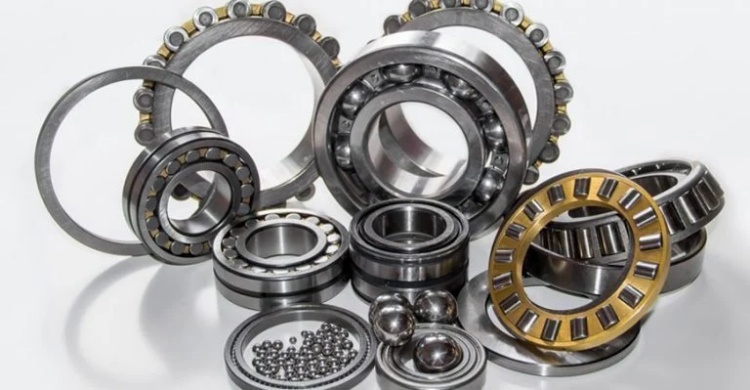
Thrust ball and roller bearings are designed primarily for axial load support. Thrust ball bearings are ideal for light to medium axial loads and high speeds, while thrust roller bearings handle heavier axial loads. They are often paired with radial bearings in spindle systems that experience significant axial forces, such as vertical machining centers.
Ceramic hybrid spindle bearing types, with ceramic rollers and steel rings, offer superior heat resistance, corrosion resistance, and lower density. They reduce friction and vibration, enabling higher speeds and longer service life, making them perfect for high-precision, high-speed applications like aerospace components and precision grinding.
Choosing the right spindle bearing types depends on factors like load type, speed, precision requirements, and operating environment, ensuring optimal performance and durability of the machinery.
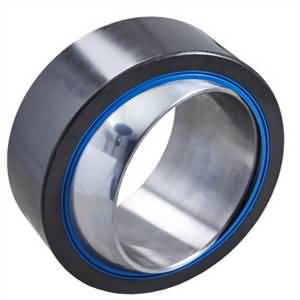
Jinan Maolei Bearing Co.,Ltd. is china plain bearing supplier for high performance spherical plai...
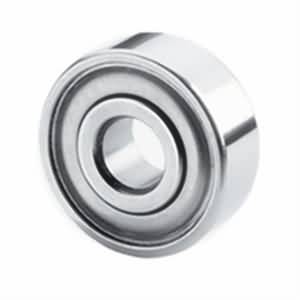
Miniature ss bearings have many advantages compared with ordinary bearings.Miniature ss bearings ...
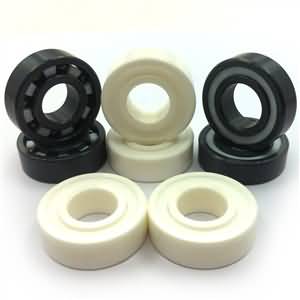
sealed ceramic bearings are more and more popular in recent years,they have many advantages compa...
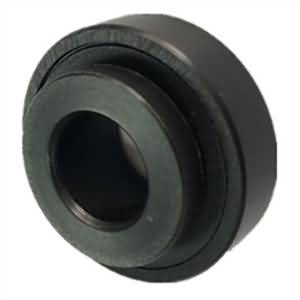
Plastic POM bearing may be usually divided into plastic rolling bearings and plastic slippy beari...
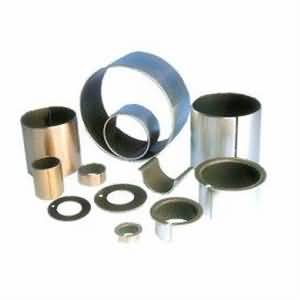
An anti friction bearing that operates below slippery friction.The anti friction bearing works sw...
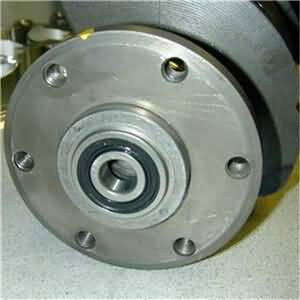
The clutch pilot bearing is that the 1st shaft guide bearing of the transmission.Between the engi...
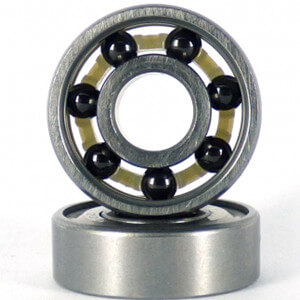
Many people do not know the secret of hybrid ceramic balls bearings A. the rolling bearing consis...
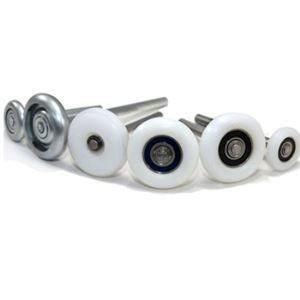
Nylon bearings material with smart mechanical strength and wear resistance , appropriate for the ...
 ntn@llhbearing.com