The most basic method for cleaning 63 32 bearing was gasoline and kerosene. Nowadays, with increasing societal demands for safety, environmental protection, and energy conservation, water-based cleaning technology has matured and costs have significantly decreased, leading to a growing preference for water-based cleaning.
Cleaning is divided into inter-process cleaning and final product cleaning. From raw materials to finished products, multiple processing steps are involved, requiring numerous inter-process cleanings. The cleaning methods vary slightly depending on the process. Different product structures and weights also necessitate different cleaning equipment, typically ultrasonic cleaning and spray cleaning.
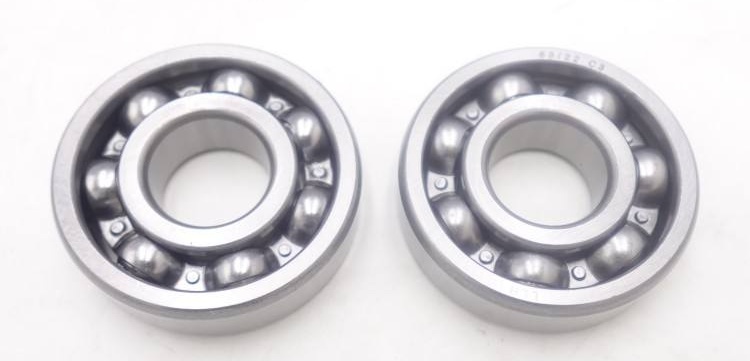
Currently, kerosene is the mainstream cleaning agent for 63/32 bearing. However, with increasing emphasis on environmental protection, health, and safety, hydrocarbon cleaning agents are being accepted by many large customers and are gradually being promoted. The main characteristics of hydrocarbon cleaning agents compared to kerosene and water-based cleaning agents are:
1. Excellent cleaning ability. Hydrogen cleaning agents, like most rust-preventive oils and machining oils, are non-polar petroleum fractions, making them effective at cleaning these mineral oils.
2. High boiling point. Evaporation loss is low under natural conditions, requiring less stringent sealing of packaging and equipment.
3. No residue after drying. Hydrogen cleaning agents are highly purified solvents that completely evaporate upon drying, leaving no residue.
4. Non-toxic. Hydrogen cleaning agents have low inhalation toxicity, oral toxicity, and skin contact toxicity, and are not carcinogenic, ensuring high safety.
5. Good material compatibility. Hydrogen cleaning agents do not contain water, chlorine, or sulfur corrosives, and will not corrode or oxidize various metal materials.
6. Low viscosity and low surface tension. Hydrocarbon cleaning agents have good impregnation effects, easily penetrating even the narrow crevices of the workpiece. When cleaning bearings, there are no blind spots in the impregnation process.
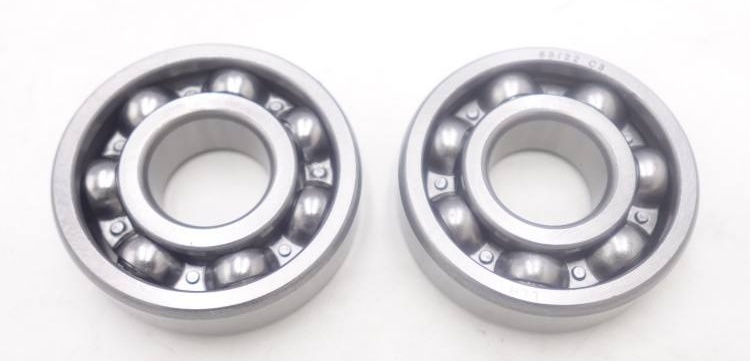
VII. Environmental Protection. Kerosene is not a dedicated cleaning agent; its complex composition contains aromatic hydrocarbons, sulfur, chlorine, and other substances that are corrosive to machinery and harmful to human health. Water-based cleaning agents are less effective at removing organic contaminants, and surfactant residues often remain on the surface of the 63 32 bearing after cleaning, making drying difficult and resulting in poor rust prevention. Therefore, water-based cleaning agents are generally not used when cleaning finished 63 32 bearing.
Conventional cleaning methods include ultrasonic cleaning, spray cleaning, and rinsing.
 |
| If you need any brand bearings or any models of bearings, please contact me!
Contact: Grace |
Jinan Maolei Bearing Co.,Ltd. is china plain bearing supplier for high performance spherical plai...
Miniature ss bearings have many advantages compared with ordinary bearings.Miniature ss bearings ...
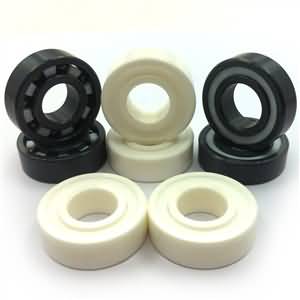
sealed ceramic bearings are more and more popular in recent years,they have many advantages compa...
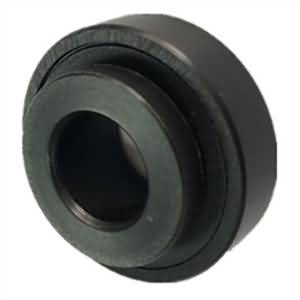
Plastic POM bearing may be usually divided into plastic rolling bearings and plastic slippy beari...
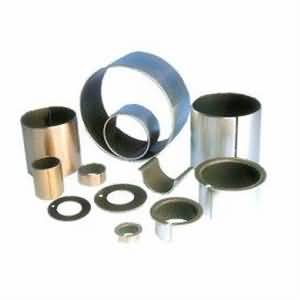
An anti friction bearing that operates below slippery friction.The anti friction bearing works sw...
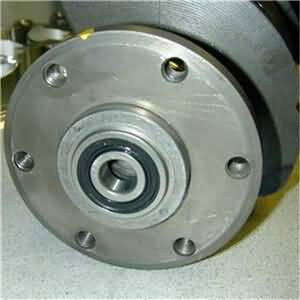
The clutch pilot bearing is that the 1st shaft guide bearing of the transmission.Between the engi...
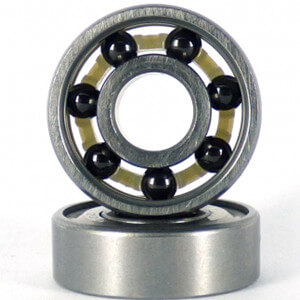
Many people do not know the secret of hybrid ceramic balls bearings A. the rolling bearing consis...
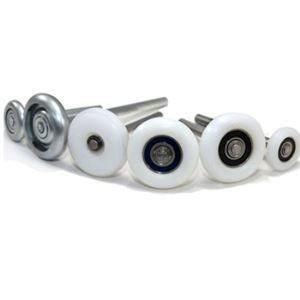
Nylon bearings material with smart mechanical strength and wear resistance , appropriate for the ...

 ntn@llhbearing.com